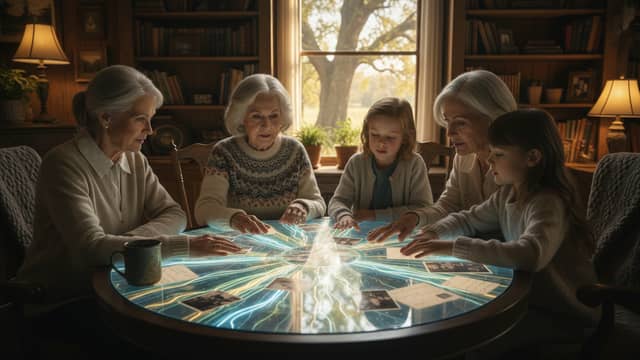
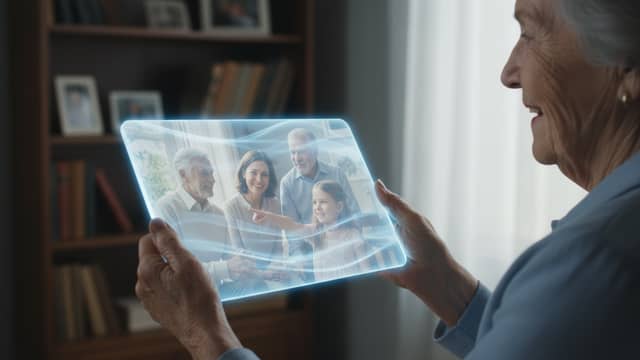
What is a digital memorial conversation?
It is an interaction with an AI system built from a deceased person's stories, recordings or written material, allowing a user to ask questions and receive replies in that person's manner. The system reconstructs patterns from the material it was given rather than reproducing the person. Families often use it as a way to revisit memories and family history.
Can these tools help with grief and loneliness in older adults?
Articles in this section describe reported comfort, a sense of continued connection and support for reminiscence, particularly for seniors living alone. They also discuss the opposite outcome, where repeated use sustains avoidance or quiet dependence instead of adjustment. The effect depends heavily on the individual, the timing and the support around them.
What privacy and ethical questions do AI memorials raise?
Key concerns include who consented to the use of a person's voice, images and messages, who controls the resulting model, and how long the data is stored. Coverage also examines the vulnerability of older users, the risk of misleading intimacy, and the need for clear rules on access and deletion within digital legacy planning.