


How Digital Memorial Conversations Reshape Grief
Digital memorial conversations through AI enable people to process grief by connecting with memory and community.
25 min read theirvoice.ai editorial team
138 articles · Page 1
This section collects the site's articles on grief technology: AI memorial chatbots, digital remembrance tools and platforms that let people hold conversations with a version of someone who has died. Articles compare these tools with recorded video messages, memory apps and one-way keepsakes, and with therapeutic services and grief support forums. Others weigh the ethics of digital memorials and the digital afterlife, asking where comfort ends and denial or harm begins. Practical pieces explain how digital memorial conversations work, how families can use them together, and what to consider about consent, data and legacy before building one. Coverage includes loneliness, closure after loss and emotional healing technology.
Digital memorial conversations through AI enable people to process grief by connecting with memory and community.

Digital memorial conversations coping tools are transforming how people mourn. This article examines the psychological benefits, ethical concerns, and practical implications of AI-powered remembrance.

Digital memorial conversations are reshaping grief support through AI platforms. This article examines the science, benefits, and risks of AI-powered emotional healing methods.

Digital memorial conversations use AI to dialogue with digital echoes of the deceased. This article explains how to begin, the emotional considerations, and practical steps.

Emotional numbness after loss is common but rarely addressed. This article explains why it happens, dispels myths about grief, and covers real steps to reconnect emotionally.

Virtual memorial keepsakes are transforming how people grieve and remember the dead. This article examines the emergence of AI-powered digital memorials and their ethical implications.

Digital memorial conversations better than recorded messages offer two-way emotional exchange. This article examines the research on AI-powered remembrance versus static recordings.

Digital memorial conversations emotional wellness tools use AI to let people interact with memorial chatbots after loss.

Online grief support forums offer 24/7 peer support and digital memorials, but also carry hidden risks. This article examines how people grieve online and what the research shows.

Digital memorial conversations use AI to recreate voices of the deceased, reshaping how people remember and mourn.

Digital memorial conversations with AI-powered platforms promise closure after losing elderly loved ones.

Memorial conversations for emotional wellness offer new ways to process grief through AI. This article examines the science, risks, and potential of digital memorials.

Digital memorial conversations and traditional services each address grief differently. This article examines emotional needs, gaps in both approaches, and the ethics involved.

Digital memorial conversations grief management tools use AI to simulate conversations with deceased loved ones.

Digital memorial services use AI and voice synthesis to create interactive remembrance. This article examines the technology, ethical questions, and emotional impact of AI-powered memorials.

Alternatives to therapeutic services include peer support and AI-driven digital memorial conversations. This article explains why millions seek options beyond traditional therapy and how these complement professional care.

Digital memorial communication techniques are reshaping how people grieve and remember. This article explains how AI-powered memorials work and their effects on mourning.

Digital memorial conversations offer emotional comfort online through AI-powered memorials and virtual grief support.

How to support grief recovery digitally has evolved as online memorials, AI platforms, and social media reshape mourning rituals.

Personalized memorial conversations online use AI to recreate digital presences for the bereaved. This article examines the comfort they offer, the privacy risks they pose, and what the evidence shows.

Digital conversations for emotional healing are reshaping how people process grief. This article examines AI memorials, their potential benefits, and the risks they present.

Digital memorial conversations and therapy both address grief differently. This article compares their effectiveness using research and expert insight to help people understand their options.

Digital memorial conversations powered by AI are changing how people cope with loss. This article examines whether these platforms support healing or deepen grief.

Digital memorial conversations help people navigate emotional recovery online through AI-powered dialogue with recreations of loved ones.

Digital memorial conversations for grieving families use AI to recreate exchanges with deceased loved ones.
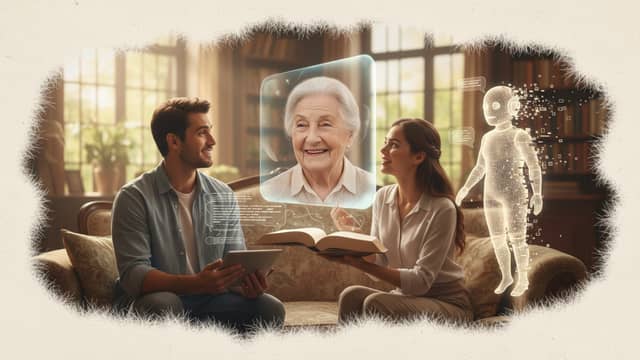
Digital memorial conversations offer deeper emotional resonance than generic chatbots. This article explains why personalized AI remembrance tools better serve grief and memory.

Digital memorial conversations offer more engagement than one-way tools. This article examines the psychological and ethical dimensions of AI-powered tributes and how they reshape grief and remembrance.

Digital memorial conversations create new emotional connections with the deceased through AI. This article examines the psychology, technology, and real implications of AI-powered remembrance.

Digital memorial conversations powered by AI offer new ways to grieve. This article examines the comfort they provide, ethical questions they raise, and their real impact on mourning.

Digital memorial conversations are rewriting how people grieve and remember. This article examines AI-powered remembrance, its emotional impact, and what meaningful interactions with digital memorials actually entail.

Digital memorial conversations testimonials document how families use AI to interact with deceased loved ones.

Interactive digital memorials use AI to let people converse with digital versions of loved ones. This article explores how they work, their emotional impact, and the ethical questions they raise.

Online memorial conversations use AI to recreate interactions with the deceased. This article examines how these platforms work, their emotional appeal, and the ethical questions they raise.

Secure memorial conversation platforms use AI to recreate conversations with the deceased. This article examines the privacy risks, emotional impacts, and ethical implications.

An alternative to memory preservation apps uses AI to enable conversations with digital recreations. This article examines how these memorial systems differ from traditional memory storage.

Digital conversations for grief management are reshaping how people mourn. This article examines the benefits, the psychological risks, and the distinction between genuine healing and avoidance.

Digital grief support resources reshape how people mourn online. This article examines how AI-driven memorials and online communities are changing modern grieving practices.

Digital memorial conversations are emerging as a controversial force in emotional health support. This article examines how AI-powered remembrance affects grief, healing, and the ethics of virtual bereavement.

Digital memorial conversations in healthcare use AI platforms to help families process grief and preserve legacies. This article examines the benefits and ethical concerns.

Digital memorial conversations meaningful support: This article examines AI-powered platforms for grief, memory, and remembrance, including real stories, risks, and expert perspectives.
It is a conversational tool built from a person's words, recordings, messages or other memories, so that a version of them can respond in dialogue rather than only being replayed. Unlike a memory app or a recorded video, the exchange goes both ways. Families use them for remembrance, for anniversaries, or to share a voice with younger relatives.
The articles here treat it as both possible outcomes rather than a settled question. Some people describe comfort, reduced loneliness and a sense of closure after loss; others risk leaning on the conversation to avoid accepting the death. The distinction usually lies in how often it is used, and whether it sits alongside other support.
The main ones concern consent from the person being represented, who controls the data and the likeness afterwards, and how accurately the model should imitate someone. There are also questions about children's access and about commercial platforms holding intimate family material. Articles in this section examine how different services handle these choices.