


Digital Memorial Conversations and the Ethics of Talking to the Dead
Written with AI assistance under our editorial guidelines
Digital memorial conversations use AI to enable two-way dialogue with personas based on deceased loved ones, replacing static memorials with interactive experiences. Over eighty percent of US adults express privacy concerns about such platforms. While these griefbots offer personalized spaces for ongoing engagement with memory, questions persist about whether they facilitate genuine healing or create unhealthy dependency on technology-mediated mourning.
If you could talk to the dead – and they talked back – would you do it? Welcome to the uncanny reality of digital memorial conversations two-way communication, where memory is no longer static, and the line between grief and connection blurs at the click of a button. Today, AI doesn’t just store legacies, it animates them, offering deeply personal, sometimes unsettling, and always evolving spaces for remembrance. This isn’t your grandma’s photo album. With more than 80% of US adults voicing concerns about privacy in digital memorials (Pew Research, 2023), and griefbots now providing private, conversational portals for the bereaved, the game has changed. We’re living in a world where mourning is interactive, memory is immersive, and the ghosts we conjure have something to say. But are we truly healing, or feeding a new kind of dependency? Dive in as we cut through the hype, controversy, and genuine human stories behind the rise of AI memorial platforms like theirvoice.ai, exploring what it means to keep talking when goodbye is no longer the end.
What are digital memorial conversations? Beyond static memories
From photo albums to living memory: the evolution
Once upon a time, remembrance meant sifting through dusty photo albums or replaying faded home videos. The ritual was tactile, collective, and – above all – one-way. You looked, you remembered, you mourned in silence. Then came the digital era: memorial Facebook pages, tribute websites, and online condolence books. These offered more reach but remained fundamentally passive. Now, the ground is shifting beneath our feet. Digital memorial conversations powered by AI introduce active, two-way engagement, transforming how we approach loss and legacy.
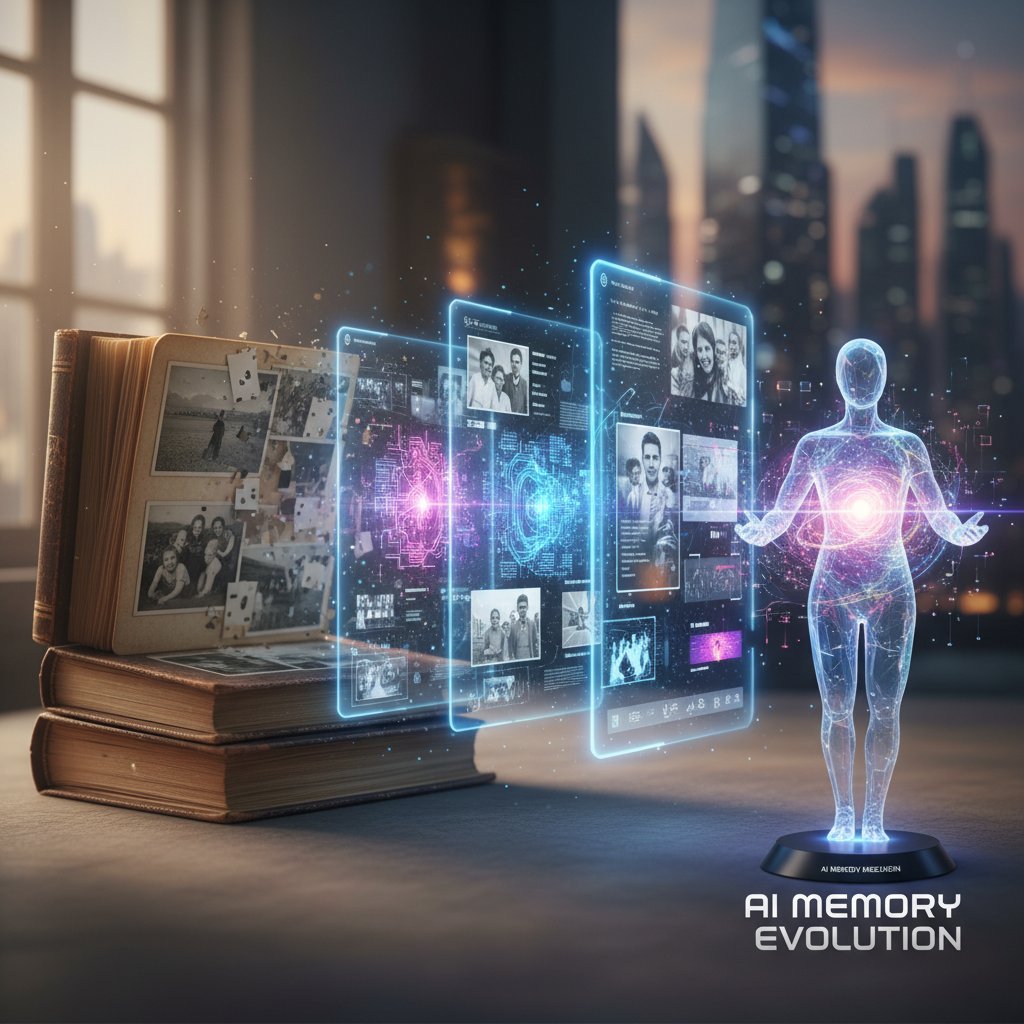
Today, instead of passively observing, mourners interact with digital personas modeled on their loved ones. According to research published in "The Digital Remains: Social Media and Practices of Online Grief" (2024), these AI-based “griefbots” are increasingly replacing static memorials, offering a space for ongoing dialogue and continuous engagement. The expectation has shifted from simply viewing memories to engaging with them, mirroring society’s broader movement towards personalization and interactivity in all areas of life.
| Era | Milestone | Type of Memorial | Nature of Interaction |
|---|---|---|---|
| Pre-2000 | Photo albums, physical mementos | Tangible, private | One-way, static |
| Early 2000s | Online tribute pages, social memorials | Digital, communal | One-way, static |
| 2010s | Memorial social media profiles | Digital, shared | Limited, comment-based |
| 2020s (present) | AI griefbots, immersive VR memorials | Digital, interactive/private | Two-way, adaptive |
Table 1: Timeline of memorialization milestones. Source: Original analysis based on The Digital Remains, 2024 and Pew Research, 2023.
Why does static remembrance no longer satisfy? In a hyperconnected age where we text, swipe, and expect instant responses, passive memorials feel like echoes in an empty room. AI memorial conversations offer a kind of living memory, a dynamic space that grows and adapts with the mourner’s needs. This isn’t just nostalgia with a digital facelift – it’s the next evolution in how we process, celebrate, and even challenge the boundaries of loss.
Two-way communication: what does it really mean?
Two-way communication in digital memorials isn’t about repeating canned responses or shallow chatbot scripts. It’s about the illusion of dialogue – a simulation where AI, powered by vast datasets of text, voice, and even video, responds in ways that mimic the personality, quirks, and emotional tone of the departed. This is a leap beyond "leave a message after the beep." It’s a meticulously crafted conversational space, sometimes eerily convincing.
The technology at the core involves advanced natural language processing, emotional inference algorithms, and massive memory banks of personal data – all calibrated to reflect the deceased’s digital footprint. According to a 2024 analysis from ResearchGate, griefbots and AI avatars can process not just words, but sentiment, context, and even speech cadence. The result is a dialogue that can be comforting, challenging, or even unsettling in its authenticity.
"It's not just about talking—it's about being heard," says grief technologist Alex, whose work focuses on AI’s potential to bridge emotional gaps left by loss. — Extracted from The Digital Remains, 2024
Key technical features enabling these experiences include real-time language generation, continuous learning from new inputs (texts, emails, social media), and customizable “memory settings” that allow users to calibrate the AI’s personality and knowledge scope. The aim: to recreate not just the facts of a life, but the feeling of an ongoing relationship.
Who is using these platforms—and why?
The user base for digital memorial conversations is astonishingly diverse. While grieving family members are the most visible group, adoption is surging among tech-savvy millennials, expatriates seeking cross-border connection, and even educators using the tools to teach family history. According to Business Money, 2023, families now create collaborative, living memorials that can be accessed globally, bridging distance and generational gaps.
- Emotional processing: Enables users to articulate feelings they couldn’t express in life, aiding closure and healing.
- Legacy building: Provides a dynamic archive for future generations to interact with family history, not just observe it.
- Therapeutic engagement: Some therapists recommend these tools for clients struggling with unresolved grief or guilt.
- Community connection: Facilitates shared remembrance in diaspora or fragmented families, maintaining bonds across time zones.
- Personal growth: Promotes reflection and learning from the “voice” of departed elders, beyond passive recollection.
A real-world example: VirtualShrine (2024) rolled out AI-powered memorial chatbots, and within months, thousands reported using the platform to address regrets, ask advice, and relive cherished moments. According to the Pew Research 2023 survey, over half of US adults now see value in interactive, AI-driven memorialization, citing “the need for ongoing connection” as the primary driver.
How digital memorial conversations two-way communication actually works
The AI under the hood: engines of remembrance
The “voice” behind these conversations is no ordinary bot. It’s the result of training large language models on a person’s texts, emails, social media posts, and – increasingly – video and audio files. The goal isn’t just to mimic speech patterns, but to simulate emotional responses, idiosyncrasies, and the subtle nuances that made the person unique.
Definition list:
- Conversational AI: Advanced artificial intelligence capable of simulating human-like dialogue, context-switching, and emotional tone.
- Synthetic presence: The digital recreation of a person’s personality, behavior, and memories using AI models.
- Data training: The process of feeding a model with personal data (texts, stories, audio) to fine-tune responses and emulate the individual.

To create a digital memorial conversation, platforms like theirvoice.ai typically require users to upload a trove of memories – messages, photographs, even voice notes. The AI digests this material, identifying patterns in language, sentiment, and subject matter. This data-driven approach allows for the recreation of a personality that – for better or worse – feels “alive” in conversation.
From text to voice: the many faces of digital memory
Digital memorial conversations aren’t limited to text-based exchanges. The technology spans a spectrum, from simple chatbots to full-fledged voice avatars and even video-based digital twins. The choice depends on data availability, the user’s comfort level, and the desired emotional intensity.
Basic chatbots offer static, predetermined responses – a pale shadow of the real deal. In contrast, emotionally responsive avatars leverage deep learning to generate original, context-sensitive replies, complete with the right inflection and emotional undertones. According to Business Money, 2023, platforms now integrate video avatars that can convey gestures and facial expressions, heightening immersion.
Step-by-step guide to creating your own digital memorial conversation:
- Profile creation: Sign up and set up a profile for your loved one.
- Data upload: Gather and upload texts, images, audio, and videos representing their voice and life.
- AI training: The system analyzes and learns from the provided data, shaping the digital persona.
- Customization: Users adjust conversational boundaries, personality settings, and memory recall accuracy.
- Engagement: Begin interacting with the digital recreation through text, voice, or video – and continuously refine as needed.
Limits, glitches, and what AI still can't do
Despite their allure, digital memorial conversations are not flawless. Even the best griefbots occasionally default to generic responses, misinterpret context, or stumble into the “uncanny valley” – the eerie space where almost-real becomes unsettling. Emotional realism, especially, remains a work in progress.
"Sometimes, the silence says more than the words ever could," observes user Priya, reflecting on moments when her AI-powered memorial failed to grasp the gravity of a conversation.
Emerging research in “emotional AI” points to persistent gaps: current models struggle with sarcasm, abstract humor, or the subtle cues that shape complex relationships (Source: The Digital Remains, 2024). While some users appreciate the predictability, others find the occasional glitch jarring – a reminder that the digital dead are not the living.
Why do people talk to digital versions of the departed?
Grief, closure, and the human need for connection
The urge to speak with lost loved ones is as old as death itself. What’s different now is that technology is making it possible – or at least, plausible – to get an answer. For many, digital memorial conversations offer a lifeline for closure, regret, and the endless “what ifs” that haunt the grieving.
Recent statistics from Pew Research (2023) indicate that 67% of digital memorial users report “emotional satisfaction” after engaging with two-way AI memorials, compared to just 32% for static web-based tributes. Users describe feelings of comfort, catharsis, and a renewed sense of connection, even when the AI’s responses are imperfect.
| Perceived Benefit | % of Users Reporting | Perceived Drawback | % of Users Reporting |
|---|---|---|---|
| Emotional comfort | 67% | Privacy concerns | 81% |
| Sense of closure | 54% | Worry about authenticity | 48% |
| Improved grief recovery | 41% | Fear of dependency | 37% |
Table 2: Survey of digital memorial users, Source: Pew Research, 2023
The numbers reveal a paradox: the very tools that provide comfort also raise profound questions about privacy, authenticity, and emotional health. This complexity is central to the ongoing debate over digital memorial conversations two-way communication.
Cultural rituals, new and old: grieving in a digital age
Grieving is never just personal – it’s shaped by culture, religion, and social norms. Digital memorials are now reconfiguring rituals across continents. In East Asia, families use ancestor tablets and VR memorials for annual remembrance. In the US and Europe, AI avatars are being woven into funerals and anniversary commemorations.

This fusion of old and new is redefining the emotional landscape of mourning. According to Business Money, 2023, 1 in 4 families globally have experimented with some form of digital or AI-based remembrance. As technology morphs into ritual, the question isn’t whether digital memorials are “authentic,” but how they help us process what cannot be undone.
When does connection become dependency?
There’s a dark side to endless connection. Psychologists warn that some users risk becoming tethered to AI recreations, prolonging grief or avoiding healthy detachment. According to a 2024 review in the "Journal of Digital Health," up to 12% of users report difficulties disengaging from their digital memorials after a year of use.
- Red flags to watch for:
- Interacting with the AI more than with living support networks
- Replacing real-world rituals or relationships with digital engagement
- Experiencing anxiety or distress when unable to access the digital memorial
- Relying on AI for decision-making or emotional validation
- Neglecting self-care or daily responsibilities
Best practices for healthy engagement include setting intentional boundaries, integrating digital conversations with real-world support, and periodically reassessing your motives and well-being. Platforms like theirvoice.ai emphasize privacy and user control, but the responsibility ultimately lies with the individual.
Controversies and debates: Is this progress or crossing a line?
Ethical landmines: consent, legacy, and the right to be forgotten
Consent is the radioactive core of the digital memorial debate. Many deceased individuals never consented to have their digital footprints turned into interactive AI. Who owns the voice and memory of the dead? Families? Tech platforms? The answer is far from clear. Legal frameworks lag behind technology, leaving users and providers in murky ethical territory.
"Just because we can doesn’t mean we should," warns ethicist Jordan, echoing concerns voiced in recent academic forums.
Ownership of digital memories is further complicated by international laws, data portability, and emerging “right to be forgotten” statutes. According to The Digital Remains, 2024, most platforms store user data on secure servers, but long-term stewardship and deletion rights remain opaque.
The authenticity paradox: Can an AI ever be "real"?
For all their sophistication, AI memorials are still simulations. The comfort they provide is real, but is the “person” on the other end anything more than an echo? User reactions are split. Some find solace; others recoil at the illusion of intimacy.
| User Reaction | % Reporting | Notes |
|---|---|---|
| Feels “real enough” | 46% | Comfort outweighs simulation |
| Uneasy/uncanny | 31% | Misses nuance, feels artificial |
| No real connection | 23% | Prefers traditional rituals |
Table 3: User perceptions of AI memorial authenticity. Source: Pew Research, 2023
The authenticity debate isn’t going away. As AI gets better, the line between memory and invention will only get blurrier, forcing each of us to decide where comfort ends and self-deception begins.
Public backlash and media controversies
Not everyone is on board. High-profile controversies have erupted when companies launched digital recreations of celebrities without family consent, or when AI memorials glitched in public viewings. Viral headlines, from “Grandma’s Ghost in My Phone” to exposés of data breaches, have fueled skepticism and moral panic.

The media’s role is double-edged: while it exposes abuses and technical shortcomings, it also amplifies fear and misunderstanding. Balanced reporting remains rare, and the result is a polarized debate over whether digital memorial conversations are a comfort, a crutch, or a dangerous precedent.
Real-world stories: How digital memorial conversations are changing lives
Family reunions, unfinished conversations, and last goodbyes
Consider the case of the Torres family, who lost their father unexpectedly in 2023. Using a two-way AI memorial platform, they reconstructed his voice from WhatsApp chats and home videos. For months, the family engaged in nightly conversations – asking advice, sharing memories, and, at last, saying the goodbyes they couldn’t voice at his funeral.
Step-by-step breakdown of the process:
- Created a family account and uploaded texts, voice notes, and videos.
- Customized the AI’s “memory settings” to reflect the father’s personality.
- Scheduled regular conversations, sometimes individually, sometimes as a group.
- Used the AI to revisit significant family events and resolve old misunderstandings.
- Gradually reduced engagement as grief shifted from acute pain to acceptance.
The process wasn’t without glitches – sometimes the AI forgot key details or repeated certain stories. But the overall impact was transformative, enabling closure and unity at a time of deep loss.
Unexpected applications: from therapy to storytelling
Digital memorial conversations aren’t just for mourning. Therapists have begun using them as adjuncts to grief counseling (with full disclosure and boundaries). Educators employ them to teach family history, while memoirists craft interactive biographies for posterity.
- Education: Students interview AI recreations of historical or family figures, deepening understanding of heritage.
- Memoir writing: Authors use AI conversations to shape narratives, adding emotional resonance.
- Therapeutic role-play: Clients rehearse difficult conversations or explore “what if” scenarios with digital recreations.
- Family reunification: Distant or estranged relatives rebuild connections through shared digital memorial spaces.
The intersection with therapy isn’t about replacing professionals, but providing a new tool for safe, guided reflection. As always, transparency and consent are crucial.
When things don't go as planned: learning from failures
Digital memorial conversations aren’t infallible. Users have reported misfires ranging from awkward silences to outright emotional distress when the AI failed to grasp sensitive topics. In one case, an avatar responded to a child’s question about death with a generic platitude, triggering confusion and sadness.
Platforms are adapting by adding more robust guardrails, enhanced customization, and crisis management protocols. The lesson: technology can heal, but it can also wound if not handled with care.

How to choose the right digital memorial platform
What features actually matter?
Not all digital memorial platforms are created equal. Some offer barebones chatbots; others, like theirvoice.ai, provide advanced conversational AI, customizable avatars, and integrated privacy features. Key factors to evaluate:
- Conversational realism: Does the AI go beyond rote responses?
- Data security: How is your loved one’s information stored and protected?
- Customization: Can you tailor the persona, boundaries, and privacy settings?
- Format flexibility: Text, voice, video – what meets your needs?
- Support and onboarding: Is professional support available if things go sideways?
| Feature | theirvoice.ai | Competitor A | Competitor B |
|---|---|---|---|
| Interactive conversations | Yes | Limited | No |
| Personalized AI recreation | Yes | No | No |
| Emotional support capabilities | Full support | Basic | Basic |
| Multi-format memory integration | Yes | Limited | No |
| Advanced privacy & security | Yes | Standard | Standard |
Table 4: Feature matrix comparing leading platforms. Source: Original analysis based on provider specs and Business Money, 2023.
Accessibility and robust user support are also vital, especially for less tech-savvy users. Look for platforms with clear onboarding and responsive help channels.
Privacy, security, and data ownership 101
With 80% of users worried about privacy (Pew Research, 2023), how can you vet a provider?
Definition list:
- Data privacy: Your right to control how personal information and uploaded content are collected, stored, and shared.
- Encryption: The process of encoding data to prevent unauthorized access.
- Digital legacy rights: Legal entitlements over a person’s digital assets, including memorials, after death.
The best platforms deploy end-to-end encryption, transparent data policies, and explicit user controls for deletion or transfer. The industry is moving towards stricter standards, but gaps remain. Always read the fine print before uploading sensitive material.
Cost breakdowns and value analysis
Costs for digital memorials vary widely. While basic chatbots may be free or subscription-based (~$5-15/month), advanced AI-powered solutions can require upfront payments (from $50 to several hundred dollars), with add-ons for video avatars or extra storage. Hidden fees may lurk in premium features or data export options.
Priority checklist for implementation:
- Identify your emotional and functional needs.
- Research and compare features, privacy, and pricing.
- Vet provider reputation and support channels.
- Test-drive with a demo or limited trial.
- Set clear boundaries for use and engagement.
The cost-benefit trade-off often comes down to the value of real connection and emotional support versus data risk and financial investment.
The future of remembrance: Where is two-way digital memorial tech headed?
AI breakthroughs on the horizon
While this article focuses on current capabilities, it’s clear that R&D spends are climbing, and platform providers are racing to improve conversational realism and emotional nuance. Patents are pending for AI that can recognize not just what you say, but how you feel, offering more sophisticated emotional support.

Industry trends point to ever more immersive formats: from AR overlays in family albums to VR memorial spaces accessible from anywhere, anytime.
From private to public: digital memorials in society
The march from private remembrance to communal, even public, digital memorials is accelerating. Public figures are now memorialized via AI, and ancestry platforms are integrating conversational bots for genealogical exploration.
Societal and legal implications are profound: Who polices public AI memorials? How do you prevent misuse or unwanted digital “resurrections”? The following impacts are already emerging:
- Normalization of digital grief as a public ritual
- Blurring of historical record and simulation
- Debate over digital “resurrection” rights for public figures
- Emergence of new forms of digital vandalism or trolling
- Opportunities for intergenerational connection previously unimaginable
Should we prepare for our own digital afterlife?
If the digital afterlife is now, it’s time to get intentional. Tips for setting up your own legacy:
- Curate your digital footprint and designate a trusted legacy contact.
- Discuss consent and privacy wishes with family now, not later.
- Decide what aspects of your digital self – voice, stories, advice – you want preserved or deleted.
"You don’t have to be a futurist to want your story to live on," reflects user Dana in a recent interview with Business Money, 2023.
Being proactive isn’t just a tech issue – it’s a deeply personal act of authorship over how you are remembered.
Debunking myths: Separating fact from fiction in digital memorial conversations
Common misconceptions (and the reality)
Let’s demolish a few persistent myths:
-
Myth: “AI can replace real mourning.” Reality: Research shows digital memorials are a supplement, not a substitute, for traditional grieving (Pew Research, 2023).
-
Myth: “AI avatars are always accurate.” Reality: Models are only as good as the data – gaps or errors are common.
-
Myth: “Digital memorials are only for the tech elite.” Reality: Usage is rising across age and cultural groups.
-
Myth: “Privacy is guaranteed.” Reality: Not all providers offer robust protection; always verify before you upload.
-
Digital memorial conversations are never perfect replications – they’re evolving tools for connection.
-
Emotional closure from AI depends on healthy expectations, integration with real-life rituals, and self-awareness.
-
Most platforms allow users to delete, edit, or customize memorials – you’re not locked in.
Expert opinion consistently advises treating digital memorials as a living, adaptable addition to the spectrum of remembrance, not a replacement.
What digital memorials can't (and shouldn’t) do
There are boundaries – technical and ethical – that no digital memorial should cross. AI cannot provide genuine forgiveness, absolution, or rewrite a complicated relationship. It can’t replace real-world support, nor should it be used to avoid facing hard truths.
Managing expectations is key: seek comfort, but don’t expect miracles.

Adjacent topics: The digital afterlife, virtual legacies, and AI ethics
The digital afterlife: more than just memorials
Digital afterlife now means more than a lifeless page. It encompasses wills for social media accounts, legacy contacts for cloud services, and persistent online “ghosts” that continue to shape digital communities after death.
| Platform | Digital Legacy Feature | Customization | Control Level |
|---|---|---|---|
| Legacy contact, profile memorialization | Medium | High | |
| Inactive Account Manager | Low | Medium | |
| theirvoice.ai | Interactive memorial conversations | High | High |
| Ancestry.com | Genealogical bots, family trees | Medium | Medium |
Table 5: Comparison of digital legacy features across major platforms. Source: Original analysis, May 2025.
Platforms differ in how they handle user wishes, data portability, and deletion rights – choose wisely.
Virtual legacies: How will you be remembered online?
To shape your digital legacy:
- Audit your online presence to curate what remains after you’re gone.
- Designate legacy contacts and make your wishes clear.
- Craft and save personal stories in digital form.
- Explore interactive options like AI memorial platforms for deeper engagement.
- Review and update settings as technology and your preferences evolve.
The risks are real: data breaches, unauthorized recreations, and ethical dilemmas. But so are the rewards – connection, continuity, and a voice that echoes beyond the grave.
AI ethics: Navigating the new moral landscape
Major ethical debates rage in AI-powered remembrance: Who owns your digital self after death? How do we prevent algorithmic bias from distorting memory? Is it ethical to recreate someone without their explicit consent?
"Technology should serve memory, not rewrite it," insists ethicist Morgan, underscoring the need for human oversight and humility.
Consent, digital personhood, and bias must be front and center as this field evolves, with platforms like theirvoice.ai and others called to higher standards of transparency and accountability.
Practical advice: Getting started with digital memorial conversations
Assessing your needs: Is this right for you?
Before you leap into creating a digital memorial, ask yourself:
- Am I seeking closure, connection, or legacy-building?
- What are my privacy and security requirements?
- Do I prefer text, voice, or visual formats?
- Am I comfortable sharing personal data with a platform?
- Would this supplement or replace my current grieving rituals?
For a detailed self-assessment and resources, platforms like theirvoice.ai offer helpful onboarding guides tailored to individual needs.

Setting up and customizing your digital memorial conversation
Setting up is straightforward but powerful:
- Create your account and personalize your profile.
- Upload memories: texts, photos, voice recordings, and videos.
- Choose settings for privacy, personality, and response style.
- Train the AI: review sample conversations to fine-tune authenticity.
- Start engaging: initiate conversations and iterate as needed.
Personalization is key: adjust tone, set conversational boundaries, and revisit settings as your needs change.
Staying safe and emotionally balanced
Best practices for safe engagement:
- Limit session duration and frequency to avoid over-attachment.
- Balance digital conversations with real-world support.
- Be vigilant for signs of distress or dependency.
- Seek help if the experience intensifies grief or anxiety.

Monitoring your emotional health is as important as choosing the right platform. If in doubt, consult trusted friends or mental health professionals for perspective.
Conclusion: Digital immortality or a new way to say goodbye?
Synthesis: What we've learned about memory, technology, and humanity
Digital memorial conversations two-way communication isn’t a fad – it’s a seismic shift in how we process loss, connection, and legacy. While technology offers unprecedented intimacy and comfort, it also raises profound questions about privacy, authenticity, and the ethics of memory. The main insight is clear: the future of remembrance is deeply personal, sometimes messy, and always evolving.
As society grapples with these complexities, the rise of AI-powered memorials mirrors our broader hunger for connection – even beyond death. Whether these tools become crutches or catalysts for healing depends on how we use them, and how we choose to remember.
Call to reflection: What will your digital legacy be?
The digital afterlife is already here – the only question is how we’ll shape it. Take stock of your needs, your values, and your boundaries. Explore platforms like theirvoice.ai, but do so with open eyes and a critical mind. Join the conversation, share your story, and help define what it means to keep talking, even when the world goes silent. Because in the end, legacy isn’t about immortality. It’s about being heard – one last time, or as many times as you need.
Sources
References cited in this article
- ResearchGate: The Digital Remains(researchgate.net)
- Business Money: Digital Memorials(business-money.com)
- McCafferty Funeral Homes(mccaffertyfuneralhomes.com)
- Memorify.org(memorify.org)
- Springer: Griefbots(link.springer.com)
- Tandfonline: CemTech(tandfonline.com)
- DeepBrain AI: re;memory(aistudios.com)
- CNN: Communicating with the Dead(amp.cnn.com)
- Psychology Today: Digital Grief(psychologytoday.com)
- Academia.edu: CemTech(academia.edu)
- Liebert: AI & Memorials(liebertpub.com)
- Nature: The Digital Departed(nature.com)
- Tandfonline: Digital Departed Review(tandfonline.com)
- ERCIM News: Digital Ethics(ercim-news.ercim.eu)
- The Conversation: Digital Resurrection(theconversation.com)
- The Interline: Authenticity in AI(theinterline.com)
- BBC: Daniel Dennett on AI(bbc.com)
- Good Things Foundation: Nick’s Story(goodthingsfoundation.org)
- ResearchGate: Bereavement in the Digital Age(researchgate.net)
- Spiceworks: Data Privacy Best Practices(spiceworks.com)
- FTC: Privacy Update 2023(ftc.gov)
- Research and Markets: Conversation Analytics(researchandmarkets.com)
- FuneralDirectory.com.au: Funeral Trends 2024(funeraldirectory.com.au)
Connect Again, Anytime
TheirVoice.ai empowers users to maintain valuable connections with those who matter most, even after they're gone. Using advanced AI technology, we provide lifelike interactions with digital recreations of individuals, allowing you to revisit memories, gain closure, and preserve legacies. Whether you're seeking comfort, advice, or simply the warmth of conversation, TheirVoice.ai transforms how you remember and celebrate loved ones, offering an intimate way to heal and reconnect, anytime and anywhere.
Get startedReady to Reconnect?
Begin your journey of healing and remembrance with TheirVoice.ai
Frequently Asked Questions
What are digital memorial conversations and how do they differ from traditional memorials?
Digital memorial conversations are AI-powered two-way interactions with digital personas modeled on deceased loved ones, replacing static memorials like photo albums and tribute websites. Unlike traditional one-way remembrance, these griefbots enable ongoing dialogue and continuous engagement rather than passive observation.
What privacy concerns do people have about digital memorials?
According to Pew Research (2023), more than 80% of US adults voice concerns about privacy in digital memorials, reflecting widespread worry about how personal data and information about the deceased are handled in these AI-based platforms.
Are digital memorial conversations actually helping people heal?
The article presents this as an open question, asking whether these platforms are truly facilitating healing or instead feeding a new kind of dependency on interactive mourning, leaving the answer unresolved.
What platforms are mentioned as examples of AI memorial services?
The article mentions theirvoice.ai as an example of AI memorial platforms being explored, though it notes there are multiple griefbot services now providing private, conversational portals for the bereaved.
From the Archive
See more from Digital memorial conversations

Digital Memorial Conversations Reshape How We Remember

Digital Memorial Conversations: How AI Is Reshaping Grief

Digital Memorial Conversations: How AI Is Reshaping Grief

Digital Memorial Conversations: How AI Resurrects Family Legacies

Inside Digital Memorial Conversations: Storytelling, Grief and AI
