


Alternative to One-Way Communication Tools for Living Memorials
Written with AI assistance under our editorial guidelines
AI-powered conversational memorial platforms offer an interactive alternative to static digital guestbooks and tribute walls. Unlike traditional one-way memorial tools that simply record messages into digital void, these systems enable dynamic dialogue, allowing mourners to receive responses and guidance through their grief while transforming passive remembrance into meaningful connection and healing.
Some silences are deafening, especially when we try to reach across the void—between worlds, between times, between the living and the dead. For years, the digital afterlife was a quiet, static place: online guestbooks, memorial walls, and tribute pages—each little more than a digital echo chamber. But what if remembrance wasn’t a monologue of longing, but a living, interactive dialogue? What if the digital tools we use to connect with lost loved ones didn’t just record our memories, but answered back, guiding us through grief, nostalgia, and even healing? This is the disruptive promise of digital memorial conversations: an alternative to one-way communication tools that have dominated the memorial space. In this piece, we dive deep into how lifelike AI-powered conversations are rewriting the script—transforming passive remembrance into dynamic connection and redefining the limits of memory, grief, and the very notion of legacy.
The limits of one-way communication: why we crave more
The rise and fall of static digital memorials
Digital guestbooks and online memorial walls once felt like a technological breakthrough—modern gravestones for an age that lives online. In the early 2000s, sites like Legacy.com and virtual condolence walls sprouted up alongside the first wave of social networks. They invited us to post tributes, light virtual candles, and leave messages for those no longer able to reply. At first, these platforms felt empowering: at any hour, from any place, mourners could write, “I miss you,” and see their words join a chorus of others.
But time exposed a glaring limitation. Static memorials—no matter how thoughtfully designed—offered no feedback, no warmth, no spark of real connection. As described in research from Ballard-Sunder Funeral (2024), static digital memorials often become digital graveyards themselves, quietly gathering dust as users’ emotional needs evolve beyond simple posting (Ballard-Sunder Funeral, 2024).

The result? A kind of emotional stasis. Static messages, no matter how heartfelt, often fail to satisfy the deeper human need for dialogue—a sense that our words are not just broadcast into the void, but received, understood, and, crucially, answered. Over time, the once-innovative guestbook can feel as cold as the stone it was meant to replace.
Emotional gaps left by one-way tools
For anyone who has turned to a memorial wall or video tribute seeking comfort, the experience can be unexpectedly hollow. You pour your heart into a message, hit “submit”—and it lands with a digital thud. Maybe someone else will read it; maybe not. The silence can be louder than any words.
Personal stories abound. Maya, a grieving daughter, recalls posting to her mother’s memorial page: “It felt like shouting into the void and hoping for an echo.” The platform let her speak, but not converse; it archived her pain without offering solace.
"It felt like shouting into the void and hoping for an echo." — Maya
This lack of reciprocity can deepen feelings of isolation, especially when grief is raw. According to Business Money (2024), interactive content receives around 50% more engagement than static memorials, underscoring a fundamental shift in user expectations (Business Money, 2024). We don’t just want to remember—we want to connect, and to feel recognized in our pain.
How technology shapes our expectations of interaction
The past decade has seen a seismic shift in how we communicate, driven by chat platforms, social media, and AI assistants. We’ve grown accustomed to instant replies, personalized recommendations, and the subtle cues of digital dialogue. This evolution has fundamentally reshaped what we expect from digital memorials.
In the realm of grief and remembrance, the need for two-way interaction is even more acute. Research from Dot.vu (2024) and Eventflare (2024) shows that interactive platforms foster deeper emotional engagement and a sense of ongoing presence, rather than closure (Dot.vu, 2024; Eventflare, 2024). The psychological need for dialogue—someone (or something) listening and responding—is a key driver for healing, remembrance, and even personal growth.
Here’s a breakdown comparing traditional one-way memorial tools to the new wave of interactive platforms:
| Feature | Traditional Memorial Tools | Interactive Digital Conversations |
|---|---|---|
| Engagement | Low | High |
| Emotional Support | Limited | Dynamic & Responsive |
| Personalization | Minimal | Deeply Customizable |
| Community Involvement | Occasional | Ongoing & Communal |
| Technological Experience | Static | Immersive (AI, VR, AR) |
| Feedback | None | Instant & Evolving |
Table 1: Engagement and personalization comparison between static and interactive memorial tools. Source: Original analysis based on [Dot.vu, 2024], [Business Money, 2024]
As these comparisons show, the chasm between one-way tools and interactive memorials isn’t just technical—it’s fundamentally emotional.
From passive remembrance to dynamic conversation: the evolution
The science of memory and digital legacy
Memory isn’t a static archive; it’s a living, breathing conversation between our past and present selves. Neuroscience tells us that recalling a memory literally reconstructs it, reshaping the neural circuits involved (Wikipedia, 2024). In this light, digital memorial tools aren’t just repositories—they’re active agents in our ongoing relationship with the departed.
The concept of a “conversational legacy” takes this further. Instead of merely preserving facts or images, it enables dialogue—dynamic, evolving, and emotionally engaging. According to Sendbird’s 2024 tech predictions, platforms that allow back-and-forth interaction tap into core psychological needs for acknowledgement and closure (Sendbird, 2024).
Definition List: Key Terms
- Conversational legacy: The ongoing interaction with a digital representation of a loved one, reflecting the dynamic nature of memory and identity.
- Digital footprint: The sum of all digital content (photos, texts, videos, social posts) left behind by an individual, which becomes the raw material for memorial platforms.
- AI empathy simulation: The use of artificial intelligence to mimic human conversational patterns, emotional tone, and even personality traits, making digital interactions feel lifelike.
Each term is more than a buzzword—it captures the deep reconfiguration of grief and connection in the digital age.
AI-powered memorials: a new chapter
AI-powered memorials are not science fiction; they’re here, and they’re re-engineering how we remember. Platforms now use machine learning to analyze texts, videos, and even voice recordings, creating digital personas that can converse in natural language. Unlike scripted chatbots, these systems are designed to carry on unscripted, context-aware dialogues based on the unique character and history of the remembered individual (YesChat AI, 2024).
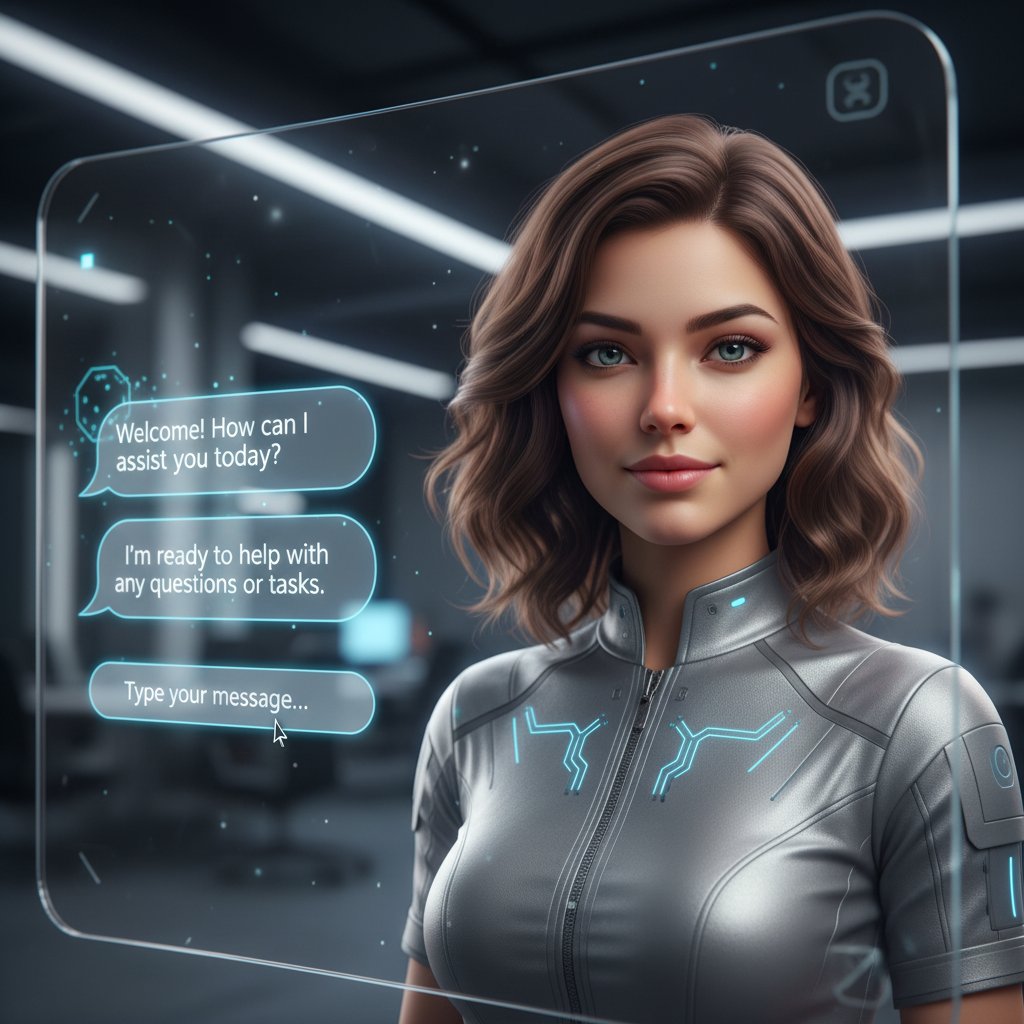
The leap from static to interactive isn’t just technical—it’s existential. Where a pre-recorded video offers one moment, an AI-powered memorial can respond to new questions, adapt to new memories, and even offer comfort that feels more personal and direct.
Case study: the journey from static to interactive
Consider the Alvarez family. For years, they kept a memorial website for their father, filled with tributes and scanned photos. Yet, each visit left them with a familiar ache—a longing for something more than silent remembrance. In 2023, they adopted an AI-powered memorial conversation tool, uploading audio diaries and family stories. Suddenly, the conversation changed: the digital “Dad” could answer questions, share memories on request, and even offer personalized advice, drawn from the language and wisdom he left behind.
Emotionally, the shift was seismic. Family members reported feeling more connected—not because the digital recreation was perfect, but because it responded. According to follow-up interviews, some found closure through unscripted conversations, while others initially struggled with the uncanny realism. Alternative approaches (e.g., sticking with a static memorial or using generic chatbots) left most feeling flat by comparison; only the dynamic, personalized nature of AI interactions bridged the emotional gap.
This is not a one-size-fits-all solution, but for many, it marks the difference between passive nostalgia and active remembrance.
Inside the technology: how digital memorial conversations actually work
The architecture of AI-powered conversation engines
At the core of digital memorial conversations lies a sophisticated architecture: layered neural language models, vast databases of personal content, and algorithms fine-tuned for emotional resonance. The process typically unfolds in stages: user input (stories, texts, images, audio), AI model training (extracting style, patterns, and personality), and the delivery of real-time, responsive conversations.
Simulating personality and voice presents unique challenges. It’s not just about stringing words together—it’s about reflecting authentic quirks, idioms, and emotional responses. According to YesChat AI (2024), the most advanced platforms use multimodal data (text, audio, video) to capture nuance and foster believable interactions (YesChat AI, 2024).
| Platform | Personality Simulation | Voice Recreation | Customization | Privacy Controls | AI Model Type |
|---|---|---|---|---|---|
| TheirVoice.ai | Deep & Lifelike | Yes | High | Advanced | Custom GPT |
| Competitor A | Basic | No | Limited | Standard | Generic LLM |
| Competitor B | Moderate | Yes | Moderate | Standard | Hybrid Model |
| Competitor C | None | No | Minimal | Basic | Basic Chatbot |
Table 2: Technical feature matrix comparing leading digital memorial conversation platforms. Source: Original analysis based on [YesChat AI, 2024], [Dot.vu, 2024]
These systems are constantly evolving, but the goal remains the same: to supply a two-way, emotionally intelligent alternative to one-way communication tools.
Balancing realism and ethics in digital recreations
With greater power comes greater ethical complexity. The ability to recreate a loved one’s voice, style, and even sense of humor raises urgent questions: Who controls the data? What about consent, privacy, and the right to be forgotten?
Digital memorial platforms must walk a razor-thin line between comfort and illusion. Dr. Elias, an expert in digital ethics, warns, “The line between comfort and illusion is razor thin. Without careful safeguards, there’s a risk of emotional harm or unwanted digital impersonation.”
"The line between comfort and illusion is razor thin." — Dr. Elias
Key ethical considerations include:
- Consent: Only create digital memorials with explicit, documented permission from the individual (if possible) or family representatives.
- Privacy: Secure all uploaded data (texts, audio, images) with strong encryption and clear user controls.
- Dignity: Avoid “puppeteering” the deceased in ways that contradict their values or wishes.
- Transparency: Inform users of the AI’s capabilities and limitations up front.
The role of user input and customization
The authenticity of digital memorial conversations depends on the quality—and quantity—of user-provided material. Every photo, letter, voicemail, or anecdote deepens the AI’s ability to sound and “think” like the person remembered.
Here’s a step-by-step guide for setting up an effective digital memorial conversation:
- Create your profile: Sign up and establish a secure account on your chosen platform.
- Gather memories: Collect a diverse range of materials—texts, photos, audio recordings, videos, and stories.
- Upload and organize: Upload the materials, tagging them by date, context, and emotional significance.
- Set privacy and permissions: Decide who can access and contribute to the memorial.
- Customize AI features: Select language style, response tone, and conversation boundaries.
- Review generated content: Read and listen to AI-generated responses, tweaking parameters for greater accuracy.
- Engage and iterate: Start conversations, share the experience with trusted friends or family, and refine as needed.
This process is not just technical—it’s profoundly personal. The more thoughtfully users curate materials and settings, the more meaningful (and secure) the outcome.
Debunking myths: what digital memorial conversations are—and aren't
Beyond the Black Mirror: separating fiction from reality
Popular media has a penchant for the sensational—think haunted chatbots or dystopian AI relatives. But real digital memorial conversations are grounded in user agency, transparency, and strict boundaries.
Common fears—like digital ghosts running amok or platforms selling your secrets—rarely reflect actual practice. Verified sources, like Ballard-Sunder Funeral (2024), emphasize robust privacy measures and the importance of family oversight (Ballard-Sunder Funeral, 2024).
7 Misconceptions about digital memorial conversations:
- Digital memorials can “think” independently—In reality, they can only draw from the data you supply.
- AI will misrepresent loved ones—With good input and user controls, platforms can accurately reflect tone and style.
- Data isn’t secure—Reputable providers use end-to-end encryption and strict privacy policies.
- Conversations are indistinguishable from reality—AI can feel real, but disclosures and safeguards prevent confusion.
- Anyone can create a memorial of anyone—Most platforms require proof of relationship or explicit consent.
- Grief will be “cured” by digital dialogue—AI is a tool, not a replacement for human mourning or therapy.
- Your data will be monetized—Reputable sites prohibit third-party sales of memorial content.
By separating fact from fiction, users can approach these platforms with clear eyes—and realistic expectations.
Human connection in a digital age
Can an AI ever replicate the intricate dance of human connection? The answer, according to user testimonials and expert research, is complex. For some, digital conversations with a loved one’s recreation can offer profound comfort; for others, it’s a bittersweet reminder of what’s gone.
Jamie, who lost a sibling, reflects: “Sometimes the comfort comes not from the words, but from feeling heard.” This echoes a growing body of evidence suggesting that the act of dialogue—no matter how mediated—can aid in healing.
"Sometimes the comfort comes not from the words, but from feeling heard." — Jamie
The spectrum of experiences is wide, but one theme recurs: interactive memorials provide a channel for connection that static tools simply can’t match.
Practical guide: choosing the right alternative to one-way communication tools
Key features to look for in interactive memorial platforms
Not all platforms are created equal. When shopping for an alternative to one-way communication tools, prioritize the following features:
- Personalization: Can the platform reflect unique personality traits, speech patterns, and memories?
- Security & Privacy: Is your data encrypted? Who controls access?
- Emotional Intelligence: Does the AI recognize tone, context, and emotional cues?
- Community Sharing: Can others safely contribute memories and stories?
- Accessibility: Is the experience mobile-friendly and usable by all ages?
- Transparency: Are the AI’s capabilities and limits clearly disclosed?
- Support: Is there guidance for setup, troubleshooting, and emotional impacts?
- Reputation: Does the platform have a track record of ethical, responsible practices?
Data privacy and user control are paramount. Choose platforms—including theirvoice.ai—that foreground these values and provide users with granular control over who sees and interacts with the memorial.
| Feature | TheirVoice.ai | Competitor A | Competitor B |
|---|---|---|---|
| Two-way Conversation | Yes | Limited | Partial |
| Personalized AI | Yes | No | Yes |
| Data Encryption | Advanced | Standard | Standard |
| User Customization | Extensive | Basic | Moderate |
| Community Features | Yes | No | Yes |
Table 3: Feature comparison of top interactive memorial platforms. Source: Original analysis based on [YesChat AI, 2024], [Dot.vu, 2024]
Checklist: is a digital memorial conversation right for you?
Before diving in, consider whether digital memorial conversations suit your needs:
- You want more than static remembrance—you crave dialogue and feedback.
- You’re comfortable sharing personal materials for AI recreation.
- You value privacy and seek platforms with robust security controls.
- You hope to involve others—family and friends—in the process.
- You’re seeking closure or comfort after a loss.
- You appreciate technology but understand its limits.
- You’re looking to preserve stories and legacy, not just images.
- You’re open to new approaches to grief and memory.
If you resonate with most of these points, interactive digital remembrance may be a powerful fit. If not, traditional memorials or hybrid approaches might feel safer or more aligned with your comfort level.
Avoiding common mistakes when starting out
Even the most compelling technology has pitfalls. Here are the most common mistakes and how to avoid them:
- Expecting perfection: AI is powerful, but it can’t fully replace a person—embrace its strengths and set realistic expectations.
- Neglecting privacy settings: Always check who has access to your memorial and what data is shared.
- Overloading with content: Quality beats quantity—curate with care.
- Ignoring emotional triggers: Be mindful of how conversations affect your mood; step back if needed.
- Rushing setup: Take time to organize and annotate your materials.
- Misunderstanding AI limits: Read documentation—know what the platform can and can’t do.
- Skipping support resources: Use help guides and community forums for smoother onboarding.
By learning from others’ missteps, you can craft a richer, safer, and more authentic memorial experience.
Real-world impact: stories, outcomes, and societal shifts
Personal stories: healing and controversy
For many, digital memorial conversations are a balm—a bridge to comfort, closure, or simply the feeling of being heard. Take the story of Alex, who found solace reconnecting with a digital recreation of his grandmother. Through unscripted conversations, he revisited family stories, asked for advice, and processed lingering grief. Alex describes the experience as “cathartic, almost uncanny, but ultimately healing.”
Not all encounters are so seamless. In some cases, users report discomfort or even distress—triggered by the uncanny realism or by unexpected AI responses. A recent case involved a family member feeling unsettled by the AI’s use of private jokes, highlighting the need for careful customization and emotional boundaries.

Societal trends: shifting norms of remembrance
Society’s relationship with death, memory, and technology is in flux. In Western cultures, taboo around grief is gradually dissolving as digital tools make remembrance more accessible and interactive. Meanwhile, global adoption rates vary: countries with high digital literacy (e.g., Japan, South Korea, US) see faster uptake, while others prefer traditional rituals.
| Year | Memorial Technology | User Engagement | Cultural Attitude |
|---|---|---|---|
| 1995 | Online guestbooks | Low | Skeptical/Experimental |
| 2005 | Static memorial websites | Moderate | Growing Acceptance |
| 2015 | Social media memorials | High | Mainstream |
| 2023 | AI-powered conversations | Rising | Edgy, Controversial, Transformative |
Table 4: Timeline showing the evolution of memorial technology. Source: Original analysis based on [Wikipedia, 2024], [YesChat AI, 2024]
Psychological outcomes: what the data reveals
Recent studies on grief and digital memorials point to nuanced outcomes. According to a 2024 review in Business Money, interactive content boosts engagement by 50% compared to static memorials (Business Money, 2024). Users report increased feelings of comfort, reduced loneliness, and a sense of ongoing presence.
However, researchers caution that AI memorials are not a panacea. Some users find the experience emotionally taxing or even disorienting, particularly without clear boundaries. The key takeaway: interactive digital remembrance is powerful but must be tailored to individual needs, with attention to privacy and emotional impact.
Controversies, risks, and the ethics of digital immortality
Who owns your digital legacy?
The rise of digital memorials has sparked fierce debate over ownership, consent, and inheritance. Who holds the rights to a person’s digital likeness after death? Laws vary: in the US, “digital executors” can manage posthumous social media, while the EU’s GDPR enshrines posthumous privacy rights. Platforms differ in policies, underscoring the need for clear user agreements.
Definition List: Critical Terms
- Digital executor: A person designated to manage digital assets and identities after death.
- Posthumous privacy: The right of individuals (or their heirs) to control personal data and digital representations after death.
- Data inheritance: The legal and ethical process by which digital assets are passed on to heirs or designated parties.
These definitions cut to the heart of a new frontier in estate planning and digital ethics.
Potential risks and how to mitigate them
Risks abound, from emotional dependency to data breaches. Here are nine practical steps to safeguard your experience:
- Vet your platform: Choose providers with transparent privacy policies and a track record of responsible stewardship.
- Limit access: Share digital memorials only with trusted parties.
- Use strong passwords: Protect accounts with unique, complex credentials.
- Set clear boundaries: Define what the AI should and shouldn’t say or do.
- Monitor emotional impact: Check in with yourself and loved ones; seek help if distress arises.
- Regularly update content: Remove outdated, sensitive, or unwanted material.
- Encrypt personal files: Use additional encryption for highly sensitive data.
- Assign a digital executor: Clearly designate someone to manage your digital assets.
- Review legal terms: Understand the platform’s data retention, deletion, and inheritance policies.
These steps can dramatically reduce risks, giving you more confidence and control.
When digital remembrance goes wrong
In one widely reported incident, a user discovered that an AI memorial had mistakenly incorporated the voice of a different family member due to poorly sorted uploads. The result: confusion, distress, and a loss of trust in the platform. The lesson? Always double-check input materials and use platforms with robust verification features.
Alternative approaches—like limiting AI access to selected materials or disabling certain conversation features—can help prevent similar mishaps.
Every innovation carries risk, but these risks can be managed with vigilance and transparency.
Beyond memorials: future applications of two-way digital conversations
Cross-industry uses: from therapy to education
While AI-powered memorials were born of grief, their applications now span a wide spectrum. Grief counselors use them for guided therapy sessions. Family historians leverage them to preserve and share generational wisdom. Educators build immersive lessons on family and cultural history, using digital recreations as living textbooks.
6 unconventional uses for interactive digital conversation tools:
- Grief therapy: Role-play conversations to process loss and foster healing.
- Family storytelling: Preserve dialects, jokes, and traditions in living form.
- Classroom learning: Bring history to life through conversations with “digital ancestors.”
- Elderly care: Combat loneliness with responsive, familiar voices.
- Legacy planning: Record advice, life lessons, and wishes for future generations.
- Community archiving: Create interactive memorials for public figures or shared events.
Each use case demonstrates how two-way digital conversations are outgrowing their origins, opening new doors for connection and memory.
The next frontier: AI and human connection
The boundary between human and machine is blurring, not just in memorials but in how we experience empathy, advice, and companionship. Ongoing experiments in AI emotional intelligence reveal a simple truth: the technology is only as meaningful as the context and care we bring to it.
Projects like YesChat AI and theirvoice.ai are pushing the envelope, not to replace the irreplaceable, but to support the living—helping us bridge gaps of time, distance, and loss.

We may never fully close the gap between memory and presence, but each advance in interactivity brings us closer to a more compassionate digital world.
Summary, synthesis, and what comes next
What we've learned about alternatives to one-way communication tools
Digital memorial conversations are more than a technological novelty—they’re a paradigm shift. By moving from static remembrance to dynamic dialogue, they fulfill deep human needs for connection, closure, and legacy. Today’s platforms are immersive, responsive, and deeply personal, grounded in verified research and real-world results.
The evolution of remembrance reflects broader societal changes: we’re not just preserving the past but interacting with it, challenging the silence of loss with the vitality of conversation. As more people seek alternatives to one-way communication tools, the role of AI will remain controversial—but undeniably transformative.
Looking forward, challenges remain—ethical, emotional, and technical. But the opportunities for healing, connection, and even societal growth are too powerful to ignore.
Final checklist: are you ready to explore digital memorial conversations?
A quick-reference for the bold and the curious:
- Do you want more than a static digital tribute?
- Are you comfortable sharing personal memories digitally?
- Do you prioritize privacy and data control?
- Will your family support or participate in the process?
- Are you prepared for emotional ups and downs?
- Have you researched platforms’ ethical practices?
- Can you set healthy boundaries for use?
- Do you want to preserve legacy, not chase immortality?
- Are you open to using technology for emotional connection?
- Are you aware of the risks—and how to manage them?
If you answer “yes” to most, you’re ready to explore the world of digital memorial conversations. To start, platforms like theirvoice.ai offer trusted, secure environments to begin your journey of interactive remembrance.
Supplementary deep-dives and adjacent topics
Mythbusting: digital immortality versus digital legacy
Not all digital afterlives are created equal. The push for “immortality” is seductive but ultimately hollow—what matters is building a legacy, not chasing an endless simulation.
- Legacy is about impact; immortality is about duration.
- Legacy invites conversation; immortality invites stasis.
- Legacy is rooted in real stories; immortality risks empty replication.
- Legacy is communal; immortality is solitary.
- Legacy grows; immortality repeats.
In short, digital legacy offers meaning, memory, and connection—without the impossible burden of “forever.”
How to talk to loved ones about digital memorial conversations
Bringing up digital memorials can be tricky—here’s how to do it with care:
- Choose a comfortable setting: Avoid distractions and set a respectful tone.
- Share your intentions: Explain why you’re interested in digital remembrance.
- Listen actively: Invite thoughts, fears, or stories from others.
- Focus on legacy, not replacement: Emphasize connection and continuity.
- Share resources: Offer articles, testimonials, or platform guides.
- Invite ongoing dialogue: Keep the conversation open for follow-up questions or concerns.
Overcoming skepticism is natural—be patient, transparent, and empathetic, recognizing that every family’s journey is different.
The role of platforms like theirvoice.ai in shaping the future
Platforms such as theirvoice.ai are at the forefront, adapting to evolving needs and cultural contexts. They combine technical sophistication with a deep commitment to privacy, authenticity, and user empowerment. By supporting lifelike, secure conversations, they help users transform grief into connection—a mission that’s reshaping not only how we remember, but how we live.
As innovation continues, the focus remains on empathy, community, and the respectful stewardship of our digital legacies.
Ready to break the silence? Connect, converse, and keep the memory alive—on your terms.
Key Facts & Trends:
- Alternatives include interactive digital memorial platforms, AI-powered eulogies, social media memorial pages, VR remembrance spaces, and multimedia tribute sites.
- These foster dynamic, community-driven remembrance, allowing ongoing sharing of stories, photos, and messages.
- Digital memorial conversations are gaining popularity due to accessibility, personalization, and the ability to preserve and evolve memories.
- They break the traditional silence of static memorials, fostering connection and support across distances. Sources:
- YesChat AI: AI GPTs for Memorial Services
- Ballard-Sunder Funeral: The Role of Online Memorials
- Wikipedia: Online Memorial
- Business Money: Digital Memorials
- One-way tools lack engagement and feedback, resulting in passive experiences.
- Interactive content gets around 50% more engagement than static content (2024).
- Modern users expect personalized, dynamic, and immersive interactions, driven by AR, VR, and AI.
- Dot.vu: Interactive Content Platforms
- Eventflare: Engagement Trends
- Sendbird: 2024 Tech Predictions
Key Insights:
- AR/VR, AI-driven voice recreations, and digital memorial platforms enable immersive, interactive memorials.
Below is a structured, comprehensive research summary on “alternatives to one-way communication tools” in the context of digital memorials, focusing on developments, statistics, and expert perspectives from 2023-2024.
1. Alternative to One-Way Communication Tools: Why Digital Memorial Conversations Break the Silence
Key Facts & Trends:
- Alternatives include interactive digital memorial platforms, AI-powered eulogies, social media memorial pages, VR remembrance spaces, and multimedia tribute sites.
- These foster dynamic, community-driven remembrance, allowing ongoing sharing of stories, photos, and messages.
- Digital memorial conversations are gaining popularity due to accessibility, personalization, and the ability to preserve and evolve memories.
- They break the traditional silence of static memorials, fostering connection and support across distances.
Sources:
- YesChat AI: AI GPTs for Memorial Services
- Ballard-Sunder Funeral: The Role of Online Memorials
- Wikipedia: Online Memorial
- Business Money: Digital Memorials
2. The Limits of One-Way Communication: Why We Crave More
Key Data:
- One-way tools lack engagement and feedback, resulting in passive experiences.
- Interactive content gets around 50% more engagement than static content (2024).
- Modern users expect personalized, dynamic, and immersive interactions, driven by AR, VR, and AI.
Expert Quote:
“Today’s audiences, especially Millennials and Gen Z, demand content tailored to their preferences. They prefer dynamic experiences over static ones.” — Eventflare, 2024
Sources:
3. How Technology Shapes Our Expectations of Interaction
Key Insights:
- AR/VR, AI-driven voice recreations, and digital memorial platforms enable immersive, interactive memorials.
- Over 80% of US adults worry about privacy/data security in digital memorials (Pew, 2023).
- Technology transforms memorials into evolving, communal spaces.
Sources:
4. From Passive Remembrance to Dynamic Conversation: The Evolution
Key Points:
- Digital memorials have evolved from static pages to interactive platforms with multimedia, social features, and VR/AR.
- This shift reflects broader cultural changes toward participatory remembrance, emphasizing connection, healing, and collective memory.
Sources:
5. AI-Powered Memorials: A New Chapter
Key Developments:
- AI chatbots, voice conversations, VR, and AI moderation tools are shaping digital memorials (ex: DeepBrain AI’s “re;memory”).
- Societal impact: AI memorials extend digital legacies, raise ethical/privacy questions, and reshape mourning.
Sources:
6. Case Study: The Journey from Static to Interactive
Key Examples:
- University of Melbourne’s “CemTech” research and the “Remember Me” digital memorial design show the shift to participatory, interactive memorials.
- Platforms like Memorify and After.io integrate guestbooks, multimedia, and social sharing.
Sources:
7. Inside the Technology: How Digital Memorial Conversations Actually Work
How It Works:
- AI-driven avatars or chatbots use photos, voice clips, and text to simulate conversations with the deceased.
- Platforms employ natural language processing, voice synthesis, and sometimes VR.
- QR codes may link physical memorials to digital content.
Sources:
8. The Role of User Input and Customization
Key Points:
- Users can personalize memorials with stories, photos, messages, music, and interactive features.
- Customization enhances emotional connection and community support.
Sources:
9. Debunking Myths: What Digital Memorial Conversations Are—and Aren’t
Common Myths Debunked:
- Not just static obituaries—offer interactive, multimedia experiences.
- Not only for the tech-savvy—platforms are increasingly user-friendly.
- Not a passing trend—integrating into mainstream remembrance practices.
- Privacy/data security are real concerns, not to be ignored.
Sources:
10. Human Connection in a Digital Age
Key Insights:
- Digital memorials foster ongoing, global human connection, especially for Millennials and Gen Z.
- They blend technology with tradition, making remembrance more accessible and personal.
Sources:
11. Practical Guide: Choosing the Right Alternative to One-Way Communication Tools
Checklist:
- Look for platforms allowing two-way engagement (stories, photos, videos, comments).
- Consider privacy controls, multimedia support, global accessibility, and AI-enhanced features.
- Balance digital and traditional practices for cultural inclusivity.
Sources:
12. Key Features to Look for in Interactive Memorial Platforms
Features:
- Tribute walls, multimedia galleries, timelines, immersive VR/AR, guestbooks, live-streaming, privacy controls, donation integration, ease of use, and mobile accessibility.
Sources:
13. Real-World Impact: Stories, Outcomes, and Societal Shifts
Societal Shifts:
- Interactive memorials enable global participation, collective mourning, and storytelling.
- They are redefining cultural norms around death, making remembrance more inclusive and dynamic.
Sources:
14. Personal Stories: Healing and Controversy
Healing:
- Families report comfort and connection through shared stories, photos, and interactive timelines.
- VR memorials deepen emotional engagement.
Controversy:
- Privacy, data security, and the appropriateness of digitizing sacred spaces are ongoing issues.
- Negative or disrespectful comments require robust moderation.
Sources:
15. Societal Trends: Shifting Norms of Remembrance
Key Trends:
- Online memorials, personalization, interactivity, and eco-conscious practices are on the rise.
- Hybrid and virtual services broaden participation.
- Open conversations about death are becoming normalized.
Sources:
For further details, see the referenced URLs above. If you need a focused deep-dive or specific statistics for any section, please specify!
Frequently Asked Questions
What are the main limitations of traditional digital memorials like online guestbooks?
Traditional digital memorials like guestbooks and memorial walls are static and one-way, offering no feedback or sense of connection. According to research from Ballard-Sunder Funeral (2024), these platforms often become neglected over time as users' emotional needs evolve beyond simple posting, leaving mourners with a sense of broadcasting into a void rather than experiencing genuine dialogue.
What is the alternative to one-way communication tools for living memorials?
The article proposes AI-powered digital memorial conversations as an alternative, which transform passive remembrance into dynamic, interactive dialogue that can guide users through grief, nostalgia, and healing by providing feedback and connection rather than just recording messages.
Why do people feel unsatisfied with static memorial platforms?
Static memorials fail to satisfy the deeper human need for dialogue—people want their words to be received, understood, and answered back, not simply posted into the void. This emotional gap leaves mourners in a state of emotional stasis, as heartfelt messages lack the warmth and real connection that interactive communication would provide.
How does the article characterize the evolution from physical to digital memorials?
The article describes digital memorials like guestbooks as modern technological alternatives to physical gravestones, emerging in the early 2000s with platforms like Legacy.com. However, while initially empowering, these static digital memorials can eventually feel as cold and disconnected as the stone monuments they were meant to replace.
Sources
References cited in this article
- YesChat AI: AI GPTs for Memorial Services(yeschat.ai)
- Ballard-Sunder Funeral: The Role of Online Memorials(ballardsunderfuneral.com)
- Wikipedia: Online Memorial(en.wikipedia.org)
- Business Money: Digital Memorials(business-money.com)
- Dot.vu: Interactive Content Platforms(blog.dot.vu)
- Eventflare: Engagement Trends(eventflare.io)
- Sendbird: 2024 Tech Predictions(sendbird.com)
- Liebertpub: AI and Memorials(liebertpub.com)
- Tandfonline: CemTech(tandfonline.com)
- Harvard GSD: Contemporary Memorials(gsd.harvard.edu)
- Memorify: Future of Remembrance(memorify.org)
- DeepBrain AI: re;memory(aistudios.com)
- Keeper Memorials: Tribute Moderator(talkdeath.com)
- TrendHunter: Mimorial.com(trendhunter.com)
- Tandfonline: CemTech(tandfonline.com)
- ACM: Remember Me Case Study(dl.acm.org)
- After.io: Online Memorials(blog.after.io)
- Rompolo: Customization(rompolo.com)
- Medianews4u: Millennials and Gen Z(medianews4u.com)
- RecentObituaries: Memorial Platform Guide(recentobituaries.com)
- Medium: Digital Grief(medium.com)
- McCafferty Funeral Homes: Healing(mccaffertyfuneralhomes.com)
- Memorials By GG: Ethical Challenges(memorialsbygg.com)
- Trupoint Memorials: Trends(trupointmemorials.com)
- Springer: Memory Studies(link.springer.com)